
"Ethiopian Harrar"
600 article(s) found
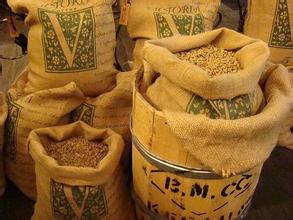
Djimmah, an Ethiopian coffee producing area, follows the ancient method to take the sun treatment class.
The coffee-producing region of Ethiopia is divided into east and west parts by the East African Rift Valley, with lakes, volcanoes, lowlands, plateaus and woodlands interlaced, each evolving. Ethiopia has the most diverse coffee ecosystem in the world (forest coffee, semi-forest coffee, pastoral coffee and plantation coffee), which also preserves its rich Arabica genes. The eastern half is mostly plateaus, coffee beans.

Characteristics of Ethiopian coffee beans how Ethiopian coffee beans affect roasting
Ethiopian super coffee beans may be one of the best coffee beans you can roast, but they are also one of the most wayward. First, there are estimated to be more than 10, 000 Ethiopian grains, including Sidamo fresh and citrus; Yirgacheffe is bright and floral; Harrar is strong and large; lemon, sweet and spicy; and Jimma is tropical flavor and silky taste

Ethiopia's highlands are the birthplace of coffee
The Ethiopian plateau is the birthplace of coffee. In the east, near Harrar, the ancient capital, mocha beans (Harrar,Harari,Harer or Harar) are still produced by traditional drying methods at an altitude of about 2,000 meters above sea level.

Flavor description of Sidamo Lion King Coffee beans introduction of Grinding scale varieties and Taste Manor
Sidamo Lion King Coffee Bean Flavor description Grinding scale varieties taste Manor introduction before 1974, the production, processing and trading rights of coffee were in private hands. During the military administration, private farms were nationalized and smallholder coffee producers were snubbed. In 1991, the Ethiopian Transitional Government issued a new economic policy to encourage private businessmen to export coffee. Result,

Introduction to the grades of coffee trees in Ethiopia
Grade of Ethiopian coffee: Ethiopian washed coffee Yega Chuefei G1 G2 Sidamo (Yirgacheffe, Sidamo) has the highest grades 2 and 3 (G2, G3), while sun-processed coffee in eastern Ethiopia is mostly grade 4 or 5 (G4, G5). In many cases, level 4 coffee is marked as level 5 in order to reduce taxes. At present, the classification is not uniform and there are
Flavor characteristics, production area and cooking parameters of single bean in Yega Fischer area
For the exchange of professional baristas, please pay attention to the flavor characteristics, production areas and brewing parameters of individual beans in the coffee workshop (Wechat official account cafe_style). Ethiopia Cochel washing Debu G1 Ethiopia Kochere Washed DEBU G1 ■ country: Ethiopia ■ producing area: Cochel, Debu ■ altitude: 1600m-2500m ■ treatment
Ethiopian Coffee | characteristics of Ethiopian Coffee
Ethiopian coffee for hundreds of years, Ethiopia has provided the world's most acclaimed single-origin high-quality coffee beans. In general, Ethiopian coffee is famous for its complex taste, spicy wine and unique acidity. Altitude range: 1500-2200 m above sea level language: Amharic harvest season: November-February annual coffee output: 660
Grading, price, raw bean and baking curve of single bean in Yega Fischer area
For the exchange of professional baristas, please pay attention to the coffee workshop (Wechat official account cafe_style) Yega Ficochel production area single bean classification, price, raw beans and baking curve Ethiopia Cochel washing Hama G1 Ethopia Kochere Washed HAMA G1 ■ country: Ethiopia ■ production area: Cochel, Hama ■ altitude: 1600m-2500m ■ treatment

Ethiopian coffee origin Ethiopian coffee processing
Various forms of coffee cultivation can be found in Ethiopia: everything from wild coffee forests and semi-developed land to traditionally operated plots to modern plantations. About 50% of the coffee is grown more than 1500 meters above sea level. Harrar coffee is the highest growing area of all coffee in Ethiopia. Hara coffee can be divided into long coffee.

The history, culture and story allusions of the holy boutique beans in the Yega Ficochel area
For the exchange of professional baristas, please pay attention to the history, culture, stories and allusions of the holy boutique beans in the coffee workshop (Wechat official account cafe_style). The most famous producing area in southern Ethiopia is the highest elevation Yegashev district, where more than 90% of the coffee is grown by local small farmers.

Ethiopian coffee beans G1 and G2 are just different in the number of defective beans.
Ethiopian coffee beans G1 and G2 are just different in the number of defective beans? the characteristics of the variety introduce that defective beans are an important factor that destroys the flavor of the final coffee. Therefore, defective beans should also be removed in the last step of raw bean processing. This has the problem of the number of defective beans, so according to the proportion of defective beans, supplemented by the size of the screen is also a way of classification. Due to the trend of boutique coffee
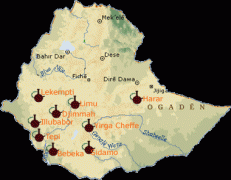
Description of flavor and flavor of washed G1 coffee in Lim, Ethiopia
For the exchange of professional baristas, please follow the coffee workshop (Wechat official account cafe_style) Ethiopia Washed Limu Gera G1 CoffeeReview 94 points there are eight major producing areas of Ethiopian coffee: Ekempti, Limu, Illubabor, Djimma, Harrar, eppi/Bebeka, Sidamo, Yirgacheffe. Review of Ethiopian Coffee in Taiwan

Characteristics of coffee varieties what is unique about coffee?
Flavor (mix) coffee: generally have blue mountain flavor (blue mountain coffee); Brazilian flavor coffee (Brazilian coffee); Colombian coffee (Colombian flavor coffee); mocha coffee (mocha flavor); Mantenin coffee (Mantenin style). These coffees are usually returned to the lower grade of beans from the place of origin, which is relatively cheap than the beans from the highest place of origin! (these coffees are usually added to one

Ethiopian coffee originated from Ethiopian coffee culture
Various forms of coffee cultivation can be found in Ethiopia: everything from wild coffee forests and semi-developed land to traditionally operated plots to modern plantations. About 50% of the coffee is grown more than 1500 meters above sea level. Harrar coffee is the highest growing area of all coffee in Ethiopia. Hara coffee can be divided into long coffee.

Introduction to the method of Grinding and Calibration for describing the Flavor of Coffee Manor in Ethiopia
Yega Xuefei's coffee trees were planted by monks in Europe and later transferred to farmers or cooperatives. Yega Xuefei is actually constructed by the surrounding coffee communities or cooperatives, including: Hafusha, Hama, Biloya. These mountain villages are foggy, like spring all the year round, with a gentle breeze in summer, cool but not hot, rain but not damp, and unique in winter.

Ethiopian coffee culture the origin of Ethiopian coffee
Various forms of coffee cultivation can be found in Ethiopia: everything from wild coffee forests and semi-developed land to traditionally operated plots to modern plantations. About 50% of the coffee is grown more than 1500 meters above sea level. Harrar coffee is the highest growing area of all coffee in Ethiopia. Hara coffee can be divided into long coffee.

Ethiopian coffee origin
Ethiopia can find a variety of coffee cultivation methods: from wild coffee groves and semi-developed land, to small plots of traditional management, to modern plantations. About 50 percent of coffee is grown at altitudes of more than 1500 meters. Harrar coffee is the highest coffee grown in Ethiopia. Hara coffee can be divided into long coffee
Ethiopia's highlands are the birthplace of coffee. Boutique coffee represents the region of Yega Shefi.
The Ethiopian plateau is the birthplace of coffee. In the east, near Harrar, the ancient capital, mocha beans (Harrar,Harari,Harer or Harar) are still produced by traditional drying methods at an altitude of about 2,000 meters above sea level. Halal's texture is medium, with a fruity, wine-like flavor, good Halal's wildness is comparable to the best Yemeni mocha. Dryness in other areas

Introduction of Ethiopian Coffee beans the characteristics of Ethiopian coffee beans
Various forms of coffee cultivation can be found in Ethiopia: everything from wild coffee forests and semi-developed land to traditionally operated plots to modern plantations. About 50% of the coffee is grown more than 1500 meters above sea level. Harrar coffee is the highest growing area of all coffee in Ethiopia. Hara coffee can be divided into long coffee.

Introduction to Ethiopian Coffee Bean Culture of Ethiopian Coffee beans
Various forms of coffee cultivation can be found in Ethiopia: everything from wild coffee forests and semi-developed land to traditionally operated plots to modern plantations. About 50% of the coffee is grown more than 1500 meters above sea level. Harrar coffee is the highest growing area of all coffee in Ethiopia. Hara coffee can be divided into long coffee.